Home About Products
Product range
Standard ProductsCustom SystemsServices
Industries
Sectors
MetalsPowerCementAutomobile & EngineeringAuto AncillaryMining & Construction
Technology
Technology
G2D FilterOCF
VATS Insights
Filtration FactsOil Wisdom
Career Contact us
Call (+91) 020-25471966
VATS Insights

What clean oil
actually saves you.

Six things that decide whether your plant spends money on filtration or on replacing what the dirty oil damaged. Written for the person paying the bill.

Your machines are failing for one reason

Three out of four hydraulic failures start as contamination.

Read more

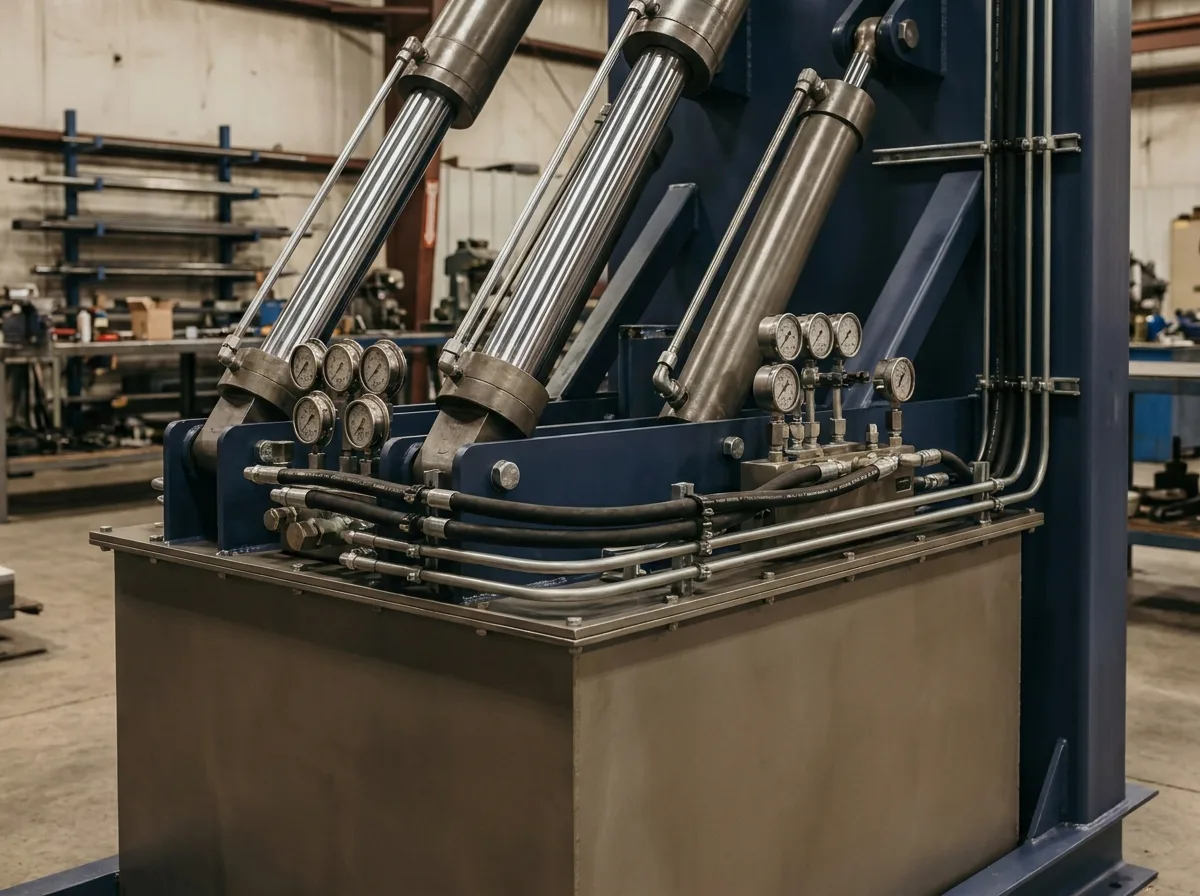
Particles, water and heat degrade the fluid long before a component gives up. By the time a pump sounds wrong, the abrasive wear that caused it has already been paid for in clearances that will not come back.

Not all filters are the same

A screen catches everything at one plane, and blinds quickly.

Read more

A surface filter arrests contaminant on a single face, so pressure climbs fast and the element is spent. Our graded density media spreads capture through its whole thickness, which is why it holds far more dirt per element and gets changed less.

Clean once is not clean

Oil in a working system gets dirty again immediately.

Read more

Cleaning oil once is an event. A live system generates and ingests contaminant constantly, so cleanliness only means anything as a level held over time. That is the whole argument for filtering continuously instead of occasionally.

Water does as much damage as dirt

It attacks additives, promotes oxidation and corrodes surfaces.

Read more

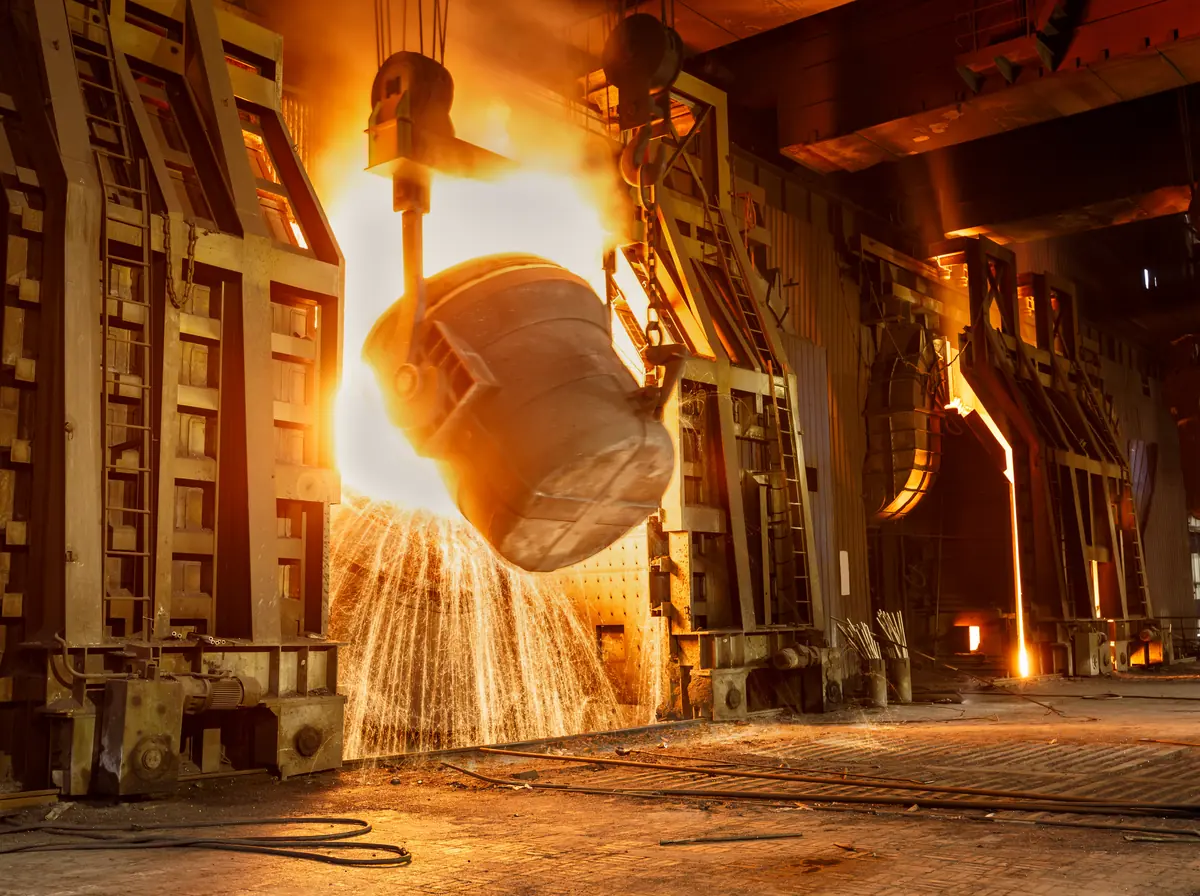
In outdoor installations, and across the power sector especially, water is often the bigger of the two problems. It has to be removed at the same time as particulate — which is why our machines are specified for both requirements together.

You should not have to stop to filter

A small continuous flow, cleaned and returned, forever.

Read more

Continuous bypass filtration takes a small proportion of the flow, cleans it and puts it back. It is gentler on the fluid, needs no production stoppage, and holds a cleanliness level that periodic cleaning structurally cannot.

The cheapest Liter is the one you keep

One avoided oil change removes four costs at once.

Read more

Buying the new charge, disposing of the old one, the production time lost to the change, and the carbon attached to both. Extend oil life and all four disappear together — every year, for the life of the machine.

The technology

How the filter
actually works.

Our element is not a screen. Its pore structure gets tighter with depth, so big particles are caught early where there is room for them, and the finest ones deeper in. Contaminant ends up locked through the whole thickness rather than caked on one face — which is why it holds so much more before it needs changing.

G2D Filter ISO 9001:2015
The G2D filtration path Spec 01–G2D
CLEAN OIL OUT PORE SIZE DESCENDS FROM THE OUTSIDE IN DIRTY OIL IN AT THE RIM COARSEST AT THE RIM · FINEST AT THE CORE
Largest particles
Stopped at the outer face, where the pores are widest
Coarse grit
Held in the second layer, before it can travel deeper
Fine particles
Retained as the pore structure tightens inward
Finest contaminant
Trapped in the densest part of the matrix
Clean oil out
Only clean oil reaches the core and returns to the system
Dirty oil in — clean oil out.
Talk to an oil expert

Want this measured on your oil?

An oil audit tells you your current cleanliness level, moisture content and what it is costing you. No commitment attached.

Book your oil audit Call (+91) 020-25471966

Pune, India · Mon–Sat 9:30–18:30